

Adding personal touches to islamic calligraphy art elevates both its emotional and visual impact. Wafanoor, founded in 2...
Color choices in islamic calligraphy art influence how the piece anchors your room:
Soft Neutrals: Beige, cream, pastel blues, and soft greys create calm, airy spaces ideal for bedrooms or prayer areas.
Bold Contrasts: Black, deep navy, and metallic gold or silver draw attention, making a statement in living rooms or entryways.
Material Interaction: Canvas offers matte tones, metal brings reflective highlights, and glass or acrylic enhances brightness and depth.
Size & Placement: Large panels with bold contrasts dominate walls, while smaller neutral pieces complement furniture without overwhelming the room.
Using color thoughtfully ensures harmony and draws the eye to the artwork’s calligraphic beauty.
Color can also guide thematic choices for your islamic calligraphy art:
Ayatul Kursi: Works beautifully in soft neutrals to create serene prayer corners.
99 Names of Allah: Metallic or dark hues give these sets an authoritative presence in living or dining rooms.
Quranic Verses & Short Phrases: Contrasting colors make brief messages pop in hallways or entry areas.
Abstract & Geometric Motifs: Bright or muted palettes highlight intricate patterns and add seasonal vibrancy.
Matching colors with content and placement ensures that spiritual and aesthetic messages complement each other.
Here’s how to integrate color choices into home décor:
Align soft neutrals with muted furniture and textured fabrics for a cohesive look.
Pair bold contrasts with neutral walls to prevent visual overload.
Use triptychs or multi-panel sets to create rhythm and repetition in color.
Accent lighting can enhance metallics and highlight subtle shades in neutrals.
Consider seasonal swaps for holidays like Ramadan to refresh your space while maintaining consistency.
Tip: Test sample palettes against wall paint and furnishings before committing to larger pieces.
Color longevity depends on the material and finish of your islamic calligraphy art:
Canvas: Retains soft shades well; avoid direct sunlight to prevent fading.
Metal Panels: Bold colors remain vibrant; clean with a dry or slightly damp cloth.
Tempered Glass/Acrylic: Protects rich colors and metallics; avoid abrasive cleaners to prevent scratches.
Regular care preserves both the vibrancy and the intricate calligraphy for years of enjoyment.
Wafanoor ensures that your color choices are both beautiful and lasting:
Artisan Craftsmanship: Each piece is hand-finished with precise color application.
Custom Options: Choose size, material, and palette to match your interior vision.
Secure Packaging & Global Delivery: Carefully packaged for safe arrival worldwide.
Expert Guidance: Advice on color harmony and placement to suit modern interiors and traditional sensibilities.
Selecting the right colors becomes effortless when paired with Wafanoor’s curated expertise and globally delivered quality.
Color impacts both the visual and spiritual effect of islamic calligraphy art.
Soft neutrals suit calm spaces; bold contrasts create dramatic focal points.
Consider material, size, and placement for harmonious design.
Regular care maintains vibrancy across canvas, metal, and glass finishes.
Wafanoor offers handcrafted, customizable art with worldwide delivery.
Q1: Can I mix soft neutrals and bold contrasts in one room?
A1: Yes—use neutrals as a base and add bold pieces as accent focal points to create visual interest.
Q2: Which colors are best for prayer areas?
A2: Soft, calming neutrals like cream, pale blue, and light grey encourage tranquility.
Q3: Are metallic colors suitable for modern interiors?
A3: Absolutely—gold, silver, or copper accents can complement contemporary furnishings beautifully.
Q4: How do I maintain vibrant colors over time?
A4: Avoid prolonged sunlight, dust regularly, and use soft, non-abrasive cleaning methods.
Share:
Adding personal touches to islamic calligraphy art elevates both its emotional and visual impact. Wafanoor, founded in 2...
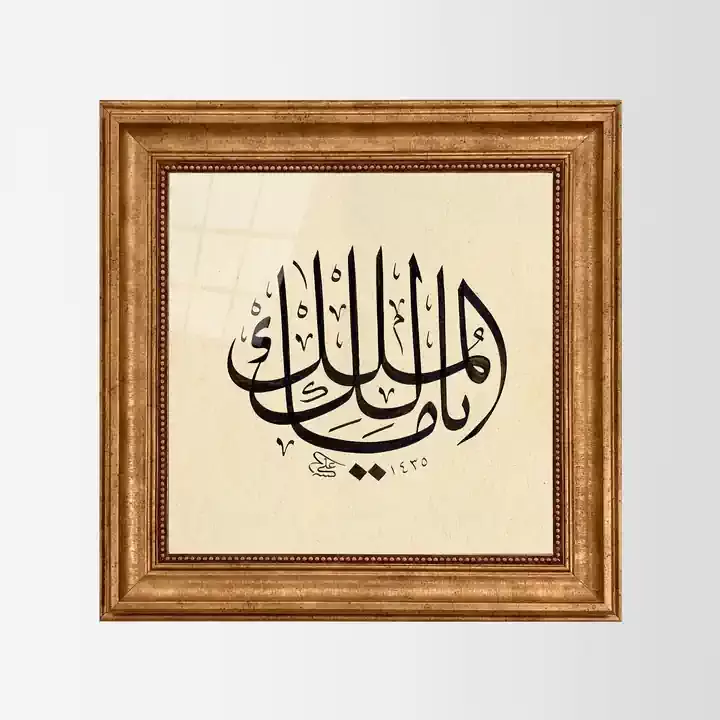
Minimalist islamic wall art has emerged as a stunning way to combine spirituality with modern design. By embracing clean...

The beauty of islamic wall art is evolving beyond flat paintings and framed prints. Three-dimensional calligraphy sculpt...

Islamic calligraphy has long been celebrated for its intricate beauty and spiritual resonance. Islamic calligraphy art t...