

Behind every stunning piece of islamic wall art lies meticulous design, masterful execution, and a thoughtful finishing...
Islamic wall art can transform a space by introducing balance, depth, and a spiritual focal point.
Materials Matter: Canvas, metal, and tempered glass each create distinct visual textures and light interactions.
Sizes & Proportions: Larger panels anchor living rooms, while smaller pieces enhance hallways and studies.
Color Palettes: Neutral backgrounds, gold accents, or earth tones harmonize with surrounding décor.
Visual Focal Points: Proper placement allows calligraphy or geometric designs to guide the viewer’s eye, creating serenity without clutter.
A well-chosen piece not only beautifies but enriches the spiritual ambiance of your home.
Selecting the right themes and verses enhances both aesthetics and meaning:
Ayatul Kursi: A central placement ensures prominence and reverence.
99 Names of Allah: Perfect for smaller groupings or repeated motifs in multi-panel arrangements.
Short Quranic Verses: Work well in compact spaces, such as entryways or offices.
Calligraphy Focus: Modern minimalist strokes complement traditional photographs or décor without conflict.
Aligning verse themes with the room’s purpose reinforces both design and spirituality.
Proper styling and placement protect artwork while enhancing its impact:
Avoid Direct Sunlight: Position art away from windows or use UV-protective glass to prevent fading.
Wall Height & Furniture: Hang islamic calligraphy art at eye level, ensuring balance with surrounding furniture.
Triptychs vs. Singles: Multi-panel designs anchor large walls; single panels provide subtle accents.
Lighting: Use soft, diffused lighting to enhance textures without generating heat.
Room-Specific Advice:
Living Room: Central panel or symmetrical triptych above sofa.
Bedroom: Smaller calming verses to foster serenity.
Office: Minimalist panels to maintain focus.
Thoughtful placement ensures longevity and visual harmony.
Understanding your artwork’s materials guides proper care:
Canvas Art:
Dust lightly with a soft, dry cloth.
Avoid damp walls to prevent warping or mold.
Metal Pieces:
Wipe gently with a microfiber cloth.
Avoid abrasive chemicals to preserve finish.
Tempered Glass Art:
Clean with non-abrasive glass solution.
Ensure backing protects artwork from moisture.
Humidity Control: Maintain indoor humidity between 40–60% to prevent damage to paper, canvas, or wood frames.
Regular Inspection: Check for dust, moisture spots, or frame looseness.
Routine attention keeps islamic wall art vibrant for decades.
Wafanoor combines craftsmanship with practical support for art care:
In-House Craftsmanship: Every piece is designed and produced internally, ensuring consistent quality.
Customizable Options: Choose size, material, or framing suited for your home environment.
Worldwide Shipping: Safe, secure packaging protects artwork during transit to USA, UK, EU, Middle East, and beyond.
Expert Guidance: Placement, lighting, and care tips provided to maximize lifespan and aesthetic impact.
Investing in Wafanoor means both beauty and peace of mind for your collection.
Islamic wall art requires proper light, humidity, and cleaning care.
Canvas, metal, and glass pieces each need tailored maintenance.
Strategic placement enhances both spiritual and visual impact.
Wafanoor provides expert craftsmanship, customization, and global delivery.
Routine inspection and gentle cleaning extend artwork longevity.
Q1: Can direct sunlight damage Islamic calligraphy art?
A1: Yes, UV rays can fade colors; use indirect lighting or UV-protective glass.
Q2: How can I control humidity for canvas or wood frames?
A2: Maintain indoor humidity between 40–60%, use dehumidifiers if necessary.
Q3: Are metal and glass panels easier to maintain than canvas?
A3: Metal and glass are more resilient to moisture but require careful cleaning to avoid scratches.
Q4: How often should I clean or inspect my Islamic paintings?
A4: Dust weekly and inspect every few months for signs of moisture, warping, or loose frames.
Share:
Behind every stunning piece of islamic wall art lies meticulous design, masterful execution, and a thoughtful finishing...
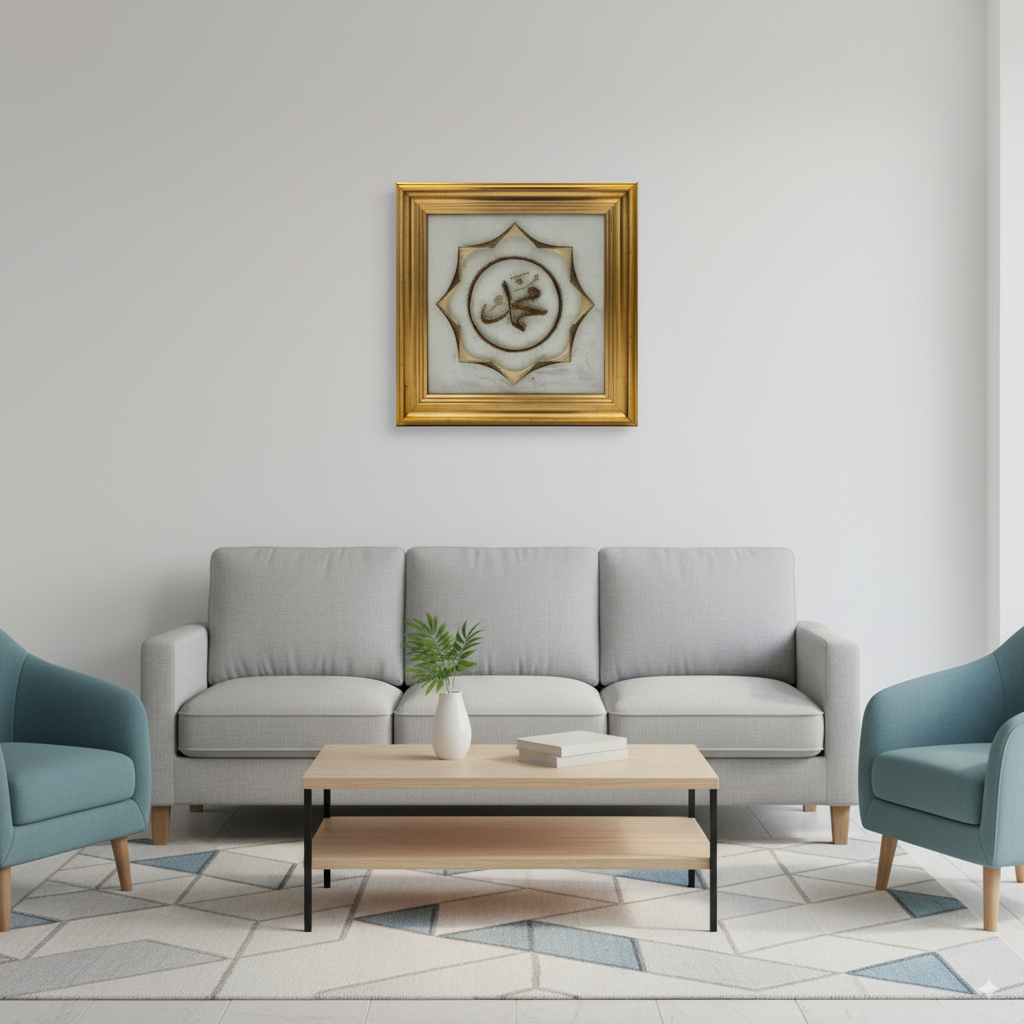
Creating a gallery wall can be a powerful way to showcase personal style and spirituality. Islamic wall art allows homeo...
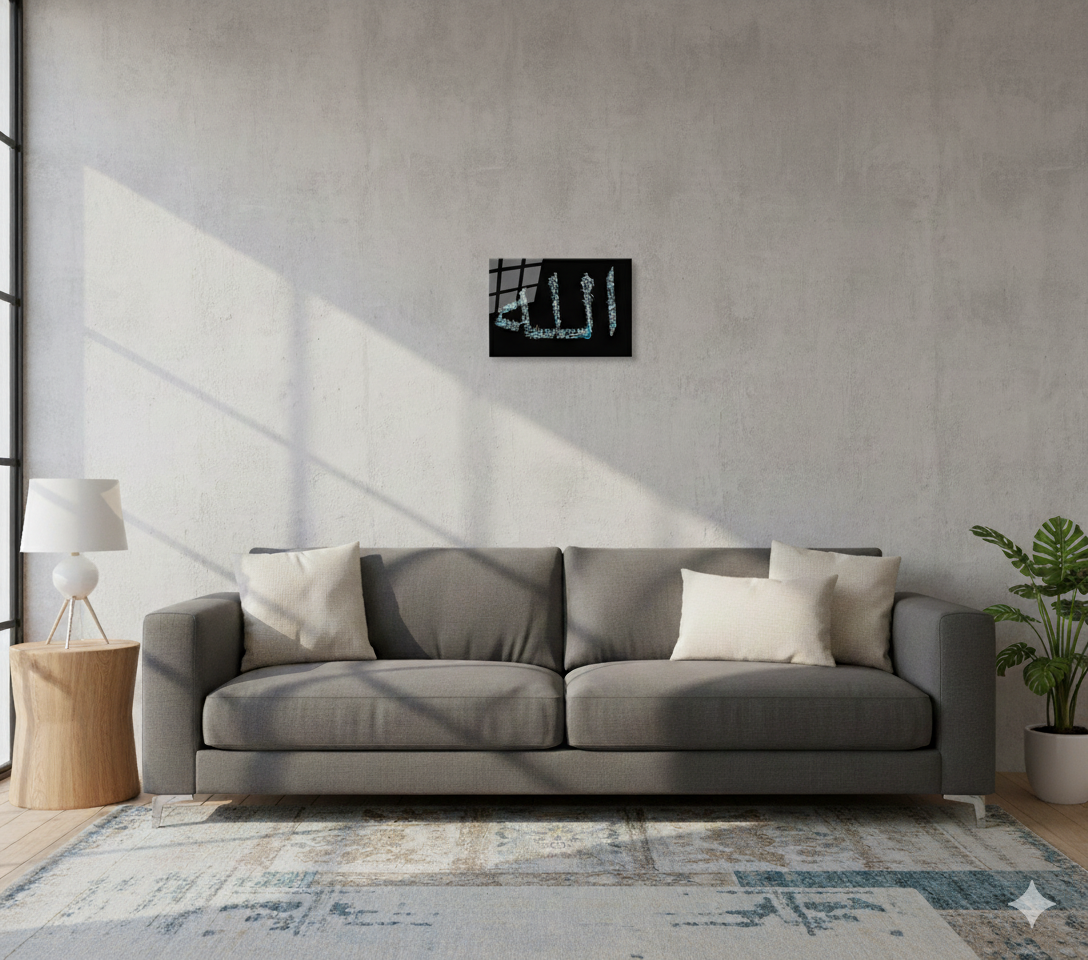
A living room is more than a space—it’s where family gathers, memories are made, and guests are welcomed. Hand-painted i...